Bedding · Seasonal Guide
Bed Covers and Comforters: A Guide to Layering for Every Season
A bed is a small climate of its own. The right layers can make it feel airy on a warm night, snug when the temperature turns, and composed all year round. Understanding what a bed cover does—and what a comforter does—makes seasonal changes easier, more comfortable, and less dependent on guesswork.
There is a moment, usually in the early morning, when the bedding tells you the season has changed before the calendar does. A comforter that felt reassuring in January may become an obstacle by June. A lightweight cover that looked elegant in summer may seem insufficient once a cold draft finds its way into the room. The answer is rarely a single perfect bed covering. It is a considered arrangement of layers that can be added, removed, washed, and stored as conditions shift.
Bed covers and comforters are often spoken of as though they were interchangeable. They are not. A cover may protect the bedding beneath it, lend a bed color and texture, or provide a light layer of warmth. A comforter is primarily an insulating layer, designed to hold warmth with a particular amount of loft and weight. Sometimes these functions overlap, but knowing their differences helps you build a bed that works rather than merely looks finished.
Good seasonal layering is not about accumulating more bedding. It is about choosing the right materials, judging how much coverage you prefer, and making sure each layer can earn its place. The most useful bed is one that can adapt without requiring a complete change of wardrobe every time the weather changes.
What counts as a bed cover?
“Bed cover” is a broad term. It may refer to a bedspread, quilt, coverlet, duvet cover, or another textile placed over some or all of the bed. Some covers are mainly decorative, some protect a comforter or other bedding, and some offer a modest amount of warmth. The name alone does not tell you how a particular item will perform; fabric, construction, weight, and size matter more.
A coverlet, for example, is generally a relatively lightweight top layer. It can be used on its own in warm weather or placed over a sheet and under a comforter when conditions call for more insulation. A quilt is usually made from layers stitched together, giving it a distinctive texture and a little more substance. A bedspread may be designed to fall farther down the sides of the bed, creating a more enveloping, finished appearance. These conventions vary, so it is wise to check dimensions and care instructions rather than rely on labels.
A duvet cover has a different job: it surrounds a duvet insert, protecting it and making the bed easier to refresh. It can also change the appearance of a room without requiring a new insert. If the insert itself is designed for a particular season, the cover does not necessarily make it warmer or cooler in a predictable way; its fabric and weave can influence how the ensemble feels, but the insert remains the main source of loft and insulation.
Before choosing a bed covering, consider how you want it to function. Is it meant to guard a comforter from daily contact? To create a light layer for warm nights? To conceal the bed during the day? Or to give a room a particular texture? One item may do several of these things, but defining the primary purpose makes comparison much easier.
Comforters: warmth, loft, and fill
A comforter is a filled blanket, typically constructed with compartments or stitched sections that help keep its insulation distributed. The fill may be down, a down-and-fiber blend, or a synthetic alternative. The outer shell is often cotton or another woven fabric. Together, fill, shell, and construction determine whether a comforter feels lofty and light, dense and substantial, or somewhere in between.
Fill power is one measure commonly associated with down. It describes the volume occupied by a given amount of down, not the total warmth of every comforter in a simple, one-number way. A higher fill power can provide more loft for a given weight, but warmth also depends on how much fill is used, the design of the comforter, its size, and how it is stitched. For a practical choice, look for a stated warmth level—such as summer weight, lightweight, or midweight—and consider the conditions in which you sleep.
Construction matters because insulation needs to stay reasonably even. Sewn-through designs join the upper and lower shell layers, forming compartments that help limit shifting. Other constructions use internal walls or baffles to create space for loft. Each approach has its own feel and profile. A comforter that lies smoothly beneath a duvet cover may suit someone who prefers a tidy, tailored bed; a loftier design may appeal to someone who likes a fuller, more cloudlike appearance.
The Avalon 600 Hypodown Duvet Insert is one example of a comforter made for seasonal layering. It has 600-fill-power down, a 353-thread-count cotton shell, and sewn-through box construction intended to keep the fill evenly distributed. It is available in summer-weight, lightweight, and midweight options, making the warmth selection—not merely the decorative cover—a useful starting point when adapting a bed to changing temperatures.
Start with the room, not the season label
Seasonal names are helpful, but they cannot account for every bedroom. A room with strong afternoon sun may stay warm long after outdoor temperatures fall. A drafty space, a cool sleeping preference, or a window left open at night can make a light comforter feel inadequate. Heating and cooling habits, building insulation, and personal comfort all influence the right combination.
Think about the bed’s usual conditions. Does the room remain cool at night? Does it warm up quickly in the morning? Are you often too warm beneath a heavy layer, or do you tend to seek extra coverage? These observations are more reliable than choosing bedding by month alone. In Oklahoma, for instance, seasonal swings can be pronounced, but the conditions inside a particular home still determine which layers feel comfortable.
It can help to begin with a dependable base: a fitted sheet, a top sheet if you use one, and a comforter suited to the room’s typical sleeping temperature. Then add a lighter cover that can be folded back or removed. This gives you options without making the bed difficult to manage. If your preferred arrangement changes from week to week, a versatile light layer may prove more useful than an especially heavy blanket reserved for a narrow window of cold weather.
Spring: let the layers become lighter
Spring bedding benefits from flexibility. A cool evening can follow a mild afternoon, and a bedroom may not yet have settled into a consistent temperature. Keep a comforter within reach, but pair it with a lighter bed cover that can handle the less chilly nights. If the comforter is too warm, fold it down or remove it rather than replacing the whole bed at the first sign of a forecast change.
Breathable fabrics are particularly helpful in this in-between season. Cotton is familiar, washable, and available in a range of weaves and weights. A lighter cotton coverlet can provide a little substance while allowing more air movement than a thick, densely filled layer. Linen is another option for those who like its relaxed texture and natural variation, though its feel and care needs differ from cotton. The right choice is the one that suits both your preference and your laundry routine.
Spring is also a sensible time to inspect winter bedding before putting it away. Check care labels, clean items as directed, and make sure everything is thoroughly dry before storage. A breathable storage bag or clean closet shelf is preferable to leaving a comforter compressed for long periods. Proper care preserves loft and helps prevent stale odors from following the bedding into the next cold season.
Summer: simplify without sacrificing comfort
In warm weather, the best bed covering may be the lightest layer you can comfortably use. A sheet alone works for some sleepers, while others prefer the reassuring weight or finished appearance of a thin coverlet. The point is not to make the bed look seasonally correct at the expense of sleep. It is to reduce insulation while retaining a layer that feels pleasant and easy to manage.
When selecting a summer cover, look for a fabric that feels comfortable against the skin and is appropriate for regular washing. A smooth, breathable weave may feel cooler than a thick brushed surface. Texture can still have a place: a lightly quilted cotton cover adds visual depth without necessarily adding the warmth of a filled comforter. Labels such as “summer” or “lightweight” are useful clues, but touch and construction are worth considering too.
If you use a duvet, a lighter insert may be more practical than relying on a cover to compensate for a heavy one. A duvet cover protects the insert and changes the look of the bed, but it is not a substitute for choosing an appropriate warmth level. A summer-weight insert, paired with a breathable cover, can make the arrangement easier to live with when the room is warm.
Summer also puts bed covers to work as protective layers. A cover placed over the bed during the day can shield sheets and pillows from dust or household activity, especially in a guest room. Choose one that is easy to launder and not so cumbersome that it becomes an inconvenience. The most elegant bed covering is often the one you actually use.
Autumn: build warmth gradually
Autumn invites the return of layers, though not necessarily the return of the heaviest comforter. A top sheet, light cover, and medium-weight comforter can form a flexible combination: use all three on colder nights, or fold back the comforter when the room remains mild. This incremental approach avoids the familiar problem of being overheated at bedtime and cold by morning—or the reverse.
Fabric and finish influence the mood of a bed as much as its practical use. A woven cover in a deeper color can make a room feel more settled, while a quilted layer adds texture. These are aesthetic choices, but they can be practical too if the cover is easy to wash and sufficiently light to move around. Autumn bedding is at its best when it makes the transition into winter without requiring an abrupt change.
Take the opportunity to check that the comforter is still evenly filled and comfortable. If the fill has shifted or the bedding feels less insulating than expected, inspect its care requirements before washing or airing it. Some comforters need specialized cleaning, while others can be laundered at home in a suitable machine. Following the maker’s instructions helps preserve construction and performance.
Winter: warmth without unnecessary bulk
When temperatures drop, it is tempting to equate thickness with comfort. But a very heavy bed can restrict movement, trap too much heat, or feel awkward to remake. A well-chosen comforter can provide warmth with a lighter feel, depending on its fill, construction, and warmth rating. The aim is a stable, comfortable temperature—not the greatest possible number of layers.
Consider how the comforter covers the mattress. A smaller comforter may leave gaps at the sides, while an oversized one can drag on the floor or become difficult to handle. Check the finished dimensions against the mattress and the look you prefer. The height of the mattress, including any topper, can affect how much fabric is needed to achieve adequate side coverage.
A coverlet or quilt can remain useful in winter, but it need not be placed beneath the comforter. It might sit folded at the foot of the bed for an optional layer, or serve as a light barrier between the sleeper and a textured comforter. If you add a bedspread over the entire arrangement, make sure the finished bed remains manageable and that the bedding can be aired or cleaned as required.
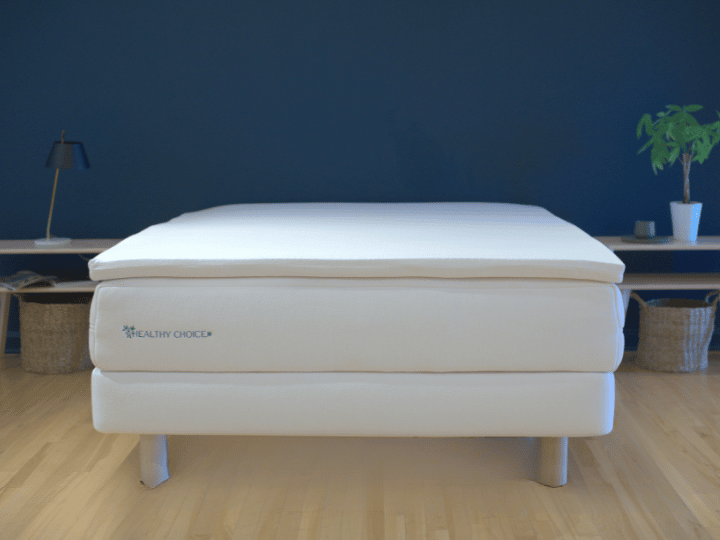
For a bed with extra cushioning beneath the sheets, remember that a mattress topper is not a bed cover and does not replace insulation above the sleeper. It changes the feel of the mattress; the comforter and top layers regulate warmth and provide coverage. Keeping these functions distinct makes it easier to troubleshoot a bed that feels uncomfortable.
Choosing fabric, construction, and care
Fabric affects touch, breathability, durability, and maintenance. Cotton is widely used in sheets, covers, and comforter shells because it is available in many weaves and is generally straightforward to care for. A smooth cotton sateen has a different hand from a crisp percale, while flannel is brushed for a warmer feel. Linen tends to have a more relaxed texture. Synthetic fabrics can offer easy-care properties, but their feel and breathability vary by construction.
Thread count is sometimes presented as a simple measure of quality, but it is only one detail. Fiber quality, weave, finishing, and the integrity of the construction are also relevant. For a comforter, inspect how the fill is contained and whether the shell feels suitable for direct contact or is intended to be used inside a duvet cover. For a bed cover, consider its weight, stitching, and whether seams are likely to withstand frequent washing.
Care is not an afterthought. A large comforter may not fit comfortably in a home washing machine, and certain fills or shells may require professional cleaning. A cover that can be washed regularly can help protect a harder-to-clean insert. Before buying, read the care label and consider the size of your washer, your available drying space, and how often you expect to launder the item.
Do not store bedding while damp, and avoid leaving filled items packed tightly for long periods. When a comforter can be aired, follow the care guidance and choose a dry, well-ventilated space. If you use a duvet cover, wash it on a schedule appropriate to its use, and check the insert periodically. Small routines—shaking out the comforter, smoothing its fill, and airing the room—help keep bedding fresh between deeper cleaning.
Coverage, proportions, and the finished bed
A bed cover can change the proportions of a room. A cover that reaches near the floor creates a more formal, continuous outline; a shorter cover reveals the bed frame and allows layers beneath it to show. Neither is inherently better. The choice depends on the room, the furniture, and how the bed is used. In a busy household, a shorter, lighter cover may be easier to lift and wash. In a guest room, a longer spread can create a composed look with little effort.
Measure the mattress before choosing a cover or comforter. A mattress’s nominal size does not account for its height, and a thick topper adds more. If you want fabric to fall down the sides, consider the mattress depth and the intended drop. Also account for whether the bedding will be tucked, folded, or left loose. Checking measurements can prevent a cover that technically fits the bed but never quite looks right.
Decorative pillows and folded throws can finish the arrangement, but they are optional. They should not make it difficult to use the bed or create a nightly pile of things to move. A restrained setup—a few useful layers, well-proportioned covers, and an appropriate comforter—often feels more inviting than a crowded one. Comfort is not improved by requiring a small act of furniture removal at bedtime.
A simple seasonal layering plan
If the choices seem endless, start with a practical core and adjust it only when experience says to. A simple system can look like this:
- Base: Use sheets that feel comfortable in the room’s usual conditions.
- Light cover: Keep a washable coverlet or quilt available for modest warmth and daytime protection.
- Insulating layer: Choose a comforter or duvet insert whose warmth level matches the room and your preferences.
- Seasonal adjustment: Add or remove the comforter as temperatures change, rather than replacing every component at once.
- Care and storage: Clean, dry, and store layers according to their labels before putting them away.
This system is deliberately uncomplicated. It makes the bed adaptable and helps identify the source of discomfort. If the bed is too warm, remove or change the insulating layer. If it feels clammy, consider the fabric and ventilation. If it looks untidy, check the dimensions and proportions before adding more decoration.
Common mistakes to avoid
One frequent mistake is buying by appearance alone. A cover may have exactly the right color and drape but require care that does not fit your household, or feel too heavy for the season. Another is assuming that any duvet cover will make a warm insert comfortable in summer. A cover can affect feel, but it cannot remove the insulation built into the insert.
It is also easy to confuse loft with warmth. A lofty comforter may feel light, but the actual warmth depends on fill quantity and construction as well as fill power. Compare stated warmth levels and consider the sleeping environment rather than relying on a single specification. Finally, avoid treating every seasonal transition as a reason to buy a new set. Often a single adjustable layer—or a more suitable comforter weight—solves the problem.
When in doubt, choose versatility. A cover that can be used alone in mild weather and layered in colder months earns its place. A comforter in an appropriate weight, protected by a washable duvet cover, can serve as the dependable center of the bed. A few well-chosen pieces are easier to care for and more likely to remain useful than a collection organized around idealized calendar seasons.
The comfort of a bed that can change
A well-made bed is not a fixed arrangement. It is a small system that responds to the room, the weather, and the person sleeping in it. Bed covers contribute protection, texture, and a lighter form of warmth; comforters provide the loft and insulation that make colder nights more comfortable. The most successful bedding lets these roles work together without asking any one layer to do everything.
Choose fabrics you enjoy touching, constructions suited to your care routine, and dimensions that fit the mattress you actually own. Then let the seasons guide modest adjustments: a lighter cover when the room warms, a suitable comforter when it cools, and enough flexibility to change course when the forecast—or the bedroom—has other ideas. The result is less a perfectly staged bed than a useful one, which is a more enduring kind of elegance.